
Advertisements
Did you know that the average American spends around $5,400 per year on impulse purchases? Yeah, I was definitely contributing to that statistic for way too long. I remember standing in Target one Saturday afternoon, cart full of stuff I absolutely didn’t need, wondering where my paycheck went. Sound familiar?
Learning to control spending habits isn’t just about willpower. It’s about understanding why we do what we do and building systems that actually work. Let me share what finally helped me break the cycle of overspending.
Why We Can’t Seem to Stop Buying Stuff We Don’t Need

Here’s the thing nobody told me for years. Impulse buying is literally hardwired into our brains. Retailers spend billions studying consumer psychology, and they’re really good at triggering those “gotta have it” feelings. The dopamine hit we get from purchasing something new is real, folks.
I used to beat myself up about my lack of self-control. But once I learned that stores design everything from shelf placement to background music to make us spend more, I felt a bit less like a failure. According to Psychology Today, emotional triggers play a huge role in unplanned purchases. Stress, boredom, even happiness can send us straight to checkout.
The 24-Hour Rule Changed Everything for Me
Okay, so this one tip alone probably saved me hundreds of dollars. Whenever I see something I want to buy that isn’t on my list, I wait 24 hours. That’s it. Just one day.
You’d be amazed how many times that “must-have” item becomes completely forgettable by the next morning. I once was absolutely convinced I needed a bread maker at 11 PM while scrolling Amazon. Spoiler alert: I don’t even eat that much bread. The waiting period helps separate genuine needs from emotional wants.
Create a Budget That Actually Works
I tried budgeting apps, spreadsheets, even those envelope systems people talk about. Most of them felt like punishment, honestly. What finally worked was giving myself a small “fun money” allowance each month for guilt-free spending.
Having that designated amount means I’m not constantly fighting against myself. When the fun money’s gone, it’s gone until next month. No exceptions. The NerdWallet budget guide has some solid tips if you’re just getting started with financial planning.
Unsubscribe and Unfollow Your Way to Savings
This one hurt a little, not gonna lie. I had to unsubscribe from every retail email list and unfollow brands on social media. Those “limited time offers” and “exclusive deals” were designed to create urgency. FOMO is a real budget killer.
Out of sight, out of mind actually works here. My inbox used to be a minefield of temptation. Now it’s mostly boring newsletters I actually want to read. Marketing teams hate this one trick, as they say!
Watch This Before Your Next Shopping Trip
I found this really helpful video on YouTube about the psychology behind impulse buying: The Science of Impulse Buying. Understanding the “why” behind our behavior makes it so much easier to change it.
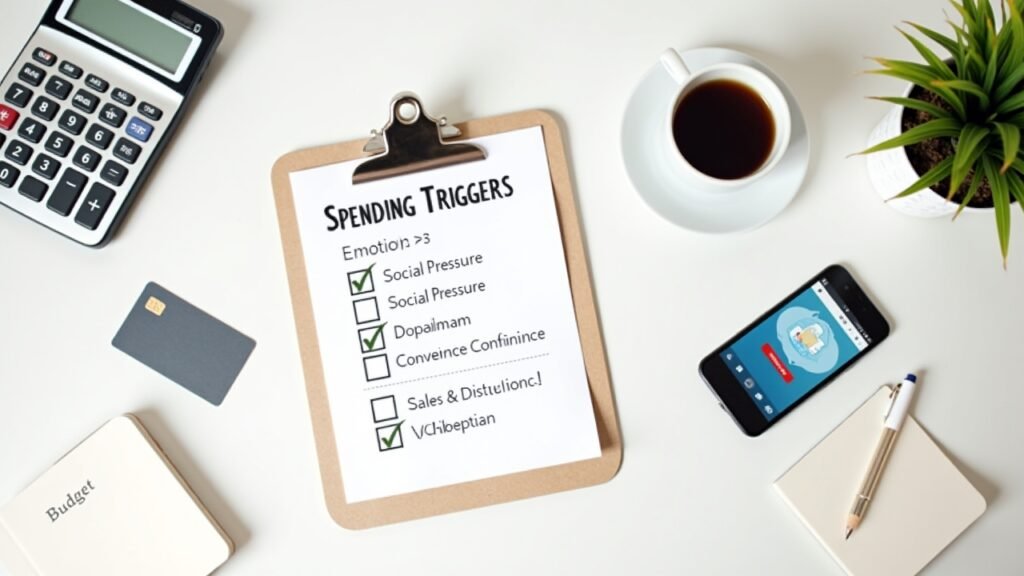
Find Your Triggers and Face Them
For me, it was late-night scrolling after a stressful day at work. For my friend Sarah, it’s grocery shopping while hungry. Everyone’s got their weak spots when it comes to unnecessary purchases.
Advertisements
Keep a spending journal for a week or two. Write down not just what you bought, but how you were feeling when you bought it. Patterns will emerge, I promise. Once you know your triggers, you can plan around them or find healthier coping mechanisms.
Your Wallet Will Thank You Later
Breaking the impulse buying habit takes time and patience with yourself. You’re gonna slip up sometimes, and that’s okay. The goal isn’t perfection; it’s progress toward better money management and financial wellness.
Start small with just one strategy this week. Maybe the 24-hour rule, maybe unsubscribing from those tempting emails. Build from there. Your future self will seriously appreciate the effort.
Want more practical tips on managing life’s little challenges? Check out other posts on Dollar Docket for more real-talk advice that actually works!