
How to Build a 3 Month Emergency Fund (Even When You Think You Can’t)
Advertisements
Here’s a stat that honestly kept me up at night: according to Bankrate’s 2024 survey, more than half of Americans don’t have enough savings to cover an unexpected $1,000 expense. I was one of those people not too long ago. Building a 3 month emergency fund felt like climbing Everest in flip-flops, but I did it — and I’m gonna walk you through exactly how.
An emergency fund isn’t some fancy financial concept reserved for people who already have their lives together. It’s literally the safety net that keeps you from spiraling into credit card debt when life throws a curveball. And trust me, life loves curveballs.
Why Three Months Is the Sweet Spot
So why three months specifically? Well, financial experts at places like NerdWallet generally recommend three to six months of living expenses as your emergency savings goal. Three months is the perfect starting point because it’s ambitious enough to actually protect you but not so overwhelming that you give up before you start.
I remember when I first calculated my monthly expenses — rent, groceries, utilities, car insurance, the whole shebang. It came out to about $3,200 a month. So my target was $9,600. I won’t lie, I stared at that number and laughed. But here’s the thing: you don’t need to save it overnight.
Step One: Figure Out Your Actual Monthly Expenses
Before you save a single dollar, you gotta know what you’re saving for. Grab your bank statements from the last three months and add up your essential expenses only. We’re talking housing, food, transportation, insurance, and minimum debt payments.
Skip the Netflix subscription and the weekend brunch habits for now. Those are wants, not needs. I made the mistake of including literally everything the first time around, and my target number was so inflated it felt impossible.
Once you’ve got that monthly number, multiply it by three. That’s your emergency fund target. Write it down somewhere you’ll see it every day — I stuck mine on a Post-it note on my bathroom mirror like a weirdo, and it actually worked.
Step Two: Open a Separate Savings Account
This was a game-changer for me. Keeping your emergency fund in the same account as your checking is basically asking yourself to spend it. Open a high-yield savings account that’s slightly inconvenient to access. Out of sight, out of mind.
The interest rates on high-yield accounts are way better than traditional savings too. We’re talking 4-5% APY at some online banks right now. It’s not life-changing money, but hey, free cash is free cash.
Step Three: Automate Everything
Here’s where the magic happens. Set up an automatic transfer from your checking to your emergency fund account every payday. Even if it’s just $50 or $100 per paycheck, automation removes willpower from the equation entirely.
I started with $75 per paycheck. Was it glamorous? Absolutely not. But after a few months, I bumped it up to $150 when I got a small raise. The key is consistency over amount — your savings will compound faster than you think.
Step Four: Find Extra Money You Didn’t Know You Had
This is where things get kinda fun, actually. I did a subscription audit one weekend and found I was paying for three streaming services I barely used and a gym membership I hadn’t touched in months. That freed up almost $80 a month right there.
- Cancel unused subscriptions and memberships
- Sell stuff you don’t need on Facebook Marketplace
- Redirect tax refunds and bonuses straight into savings
- Try a no-spend weekend once or twice a month
- Pick up a small side hustle even temporarily
Advertisements
Every unexpected dollar that came my way — birthday money, cash back rewards, that random $20 I found in an old jacket — went straight into the fund. It all adds up way faster than you’d expect.
Your Future Self Will Thank You
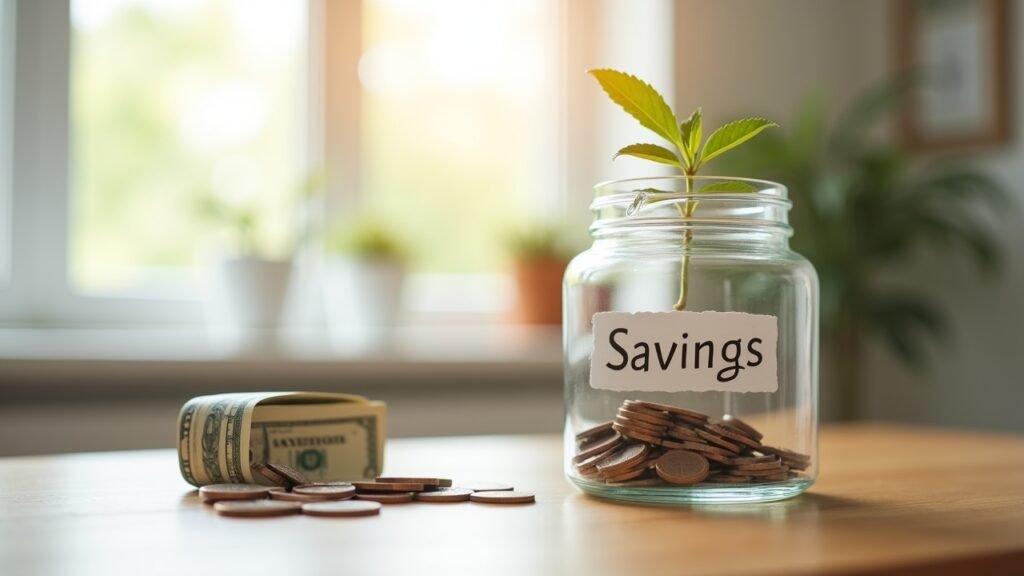
Building a 3 month emergency fund took me about eight months, and it wasn’t always pretty. There were months I barely contributed anything. But the peace of mind that comes from knowing you can handle a job loss, a medical bill, or a busted transmission without panicking? That feeling is absolutely priceless.
Start where you are with what you have. Your timeline doesn’t need to look like mine or anybody else’s. For more practical money tips and saving strategies, check out other posts on Dollar Docket — we’re all figuring this out together.