
Checking vs Savings Account: What I Wish Someone Had Told Me Years Ago
Here’s a crazy stat for you – nearly 6% of American households don’t even have a bank account! When I first opened my checking account at 18, I had absolutely no clue what I was doing. I thought all bank accounts were basically the same, and boy was I wrong.
Understanding the difference between a checking vs savings account is honestly one of those basic money skills nobody teaches you. It took me years (and some embarrassing overdraft fees) to figure this stuff out. Let me save you the headaches I went through!
What’s a Checking Account Anyway?
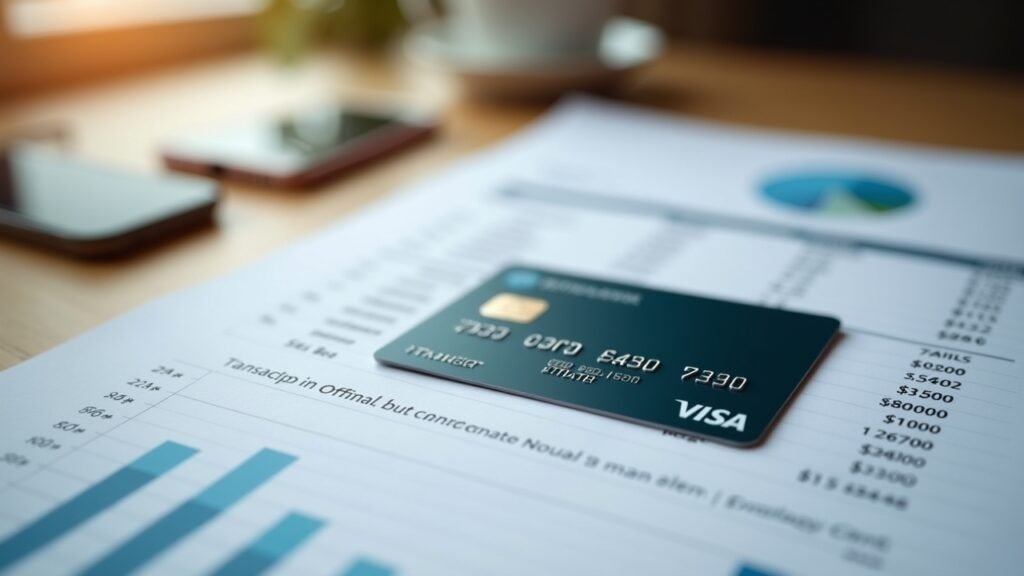
Think of your checking account as your everyday money hub. It’s where your paycheck lands and where you pay your bills from. I use mine constantly – probably way too much if I’m being honest.
The beauty of a checking account is the easy access. You get a debit card, checks (if you’re old school like that), and usually unlimited transactions. Need to grab coffee? Checking account. Pay rent? Checking account. It’s your financial workhorse.
But here’s the catch that got me – checking accounts typically earn little to no interest. Like, we’re talking basically nothing. Your money just sits there, not growing at all.
So What Makes Savings Accounts Different?
A savings account is where you stash money you don’t need right away. It’s like a little piggy bank that actually pays you to keep your money there. The interest rates vary wildly though, so you gotta shop around.
I remember opening my first savings account and being pumped about earning interest. Then I realized traditional banks were offering like 0.01% APY. That’s basically nothing! High-yield savings accounts at online banks are way better – some offer over 4% right now according to Bankrate’s latest comparison.
The tradeoff is that savings accounts have withdrawal limits. You can’t just swipe a card whenever you want. This is actually been a blessing in disguise for me because it forces me to think before spending.
Why You Honestly Need Both
For the longest time, I only had a checking account. Everything went in, everything went out. My savings was nonexistent because money that’s easy to access gets spent. Period.
Having both accounts creates a natural separation between spending money and saving money. Your checking handles daily life while your savings grows quietly in the background. It’s such a simple system but it works amazingly well.
My Personal Setup (And Why It Works)
Here’s what I do now after years of trial and error. I keep about one month of expenses in my checking account – enough to cover bills and daily spending without stressing. Everything else gets transferred to savings immediately when I get paid.
This automatic transfer thing was a game changer for me. I don’t even see the money, so I can’t spend it on dumb stuff. Before I knew it, I actually had an emergency fund! Wild, right?
Some folks keep even less in checking and that’s cool too. You gotta find what works for your situation and comfort level.
Watch This for More Tips
If you’re more of a visual learner, I’d recommend checking out this helpful video from Two Cents on YouTube about organizing your bank accounts. They explain different strategies really well and might give you some ideas I haven’t covered here.
Common Mistakes to Avoid
Keeping too much money in checking – you’re losing potential interest earnings
Not having an emergency fund in savings – trust me on this one
Ignoring fees – some accounts charge monthly maintenance fees that eat into your balance
Sticking with low-interest savings accounts when better options exist
Your Money, Your Rules

At the end of the day, how you organize your accounts depends on your life and goals. What works for me might not work perfectly for you. The important thing is having a system that helps you manage daily expenses while actually building some savings.
Take some time to review what your current bank offers and compare it to other options out there. Don’t be afraid to switch if you’re not getting a good deal. Your future self will thank you for being smart about this now!
Want more practical money tips like this? Head over to Dollar Docket for more articles that break down financial stuff in a way that actually makes sense. We’re all figuring this out together!