
Here’s a stat that kept me up at night when I first heard it – nearly 60% of Americans can’t cover a $1,000 unexpected expense! That was me five years ago, panicking when my car decided to die in the middle of a highway. I’ve since learned my lesson the hard way, and let me tell you, figuring out how much emergency fund you actually need is a game-changer for your financial peace of mind.
The Golden Rule (And Why It Doesn’t Work for Everyone)
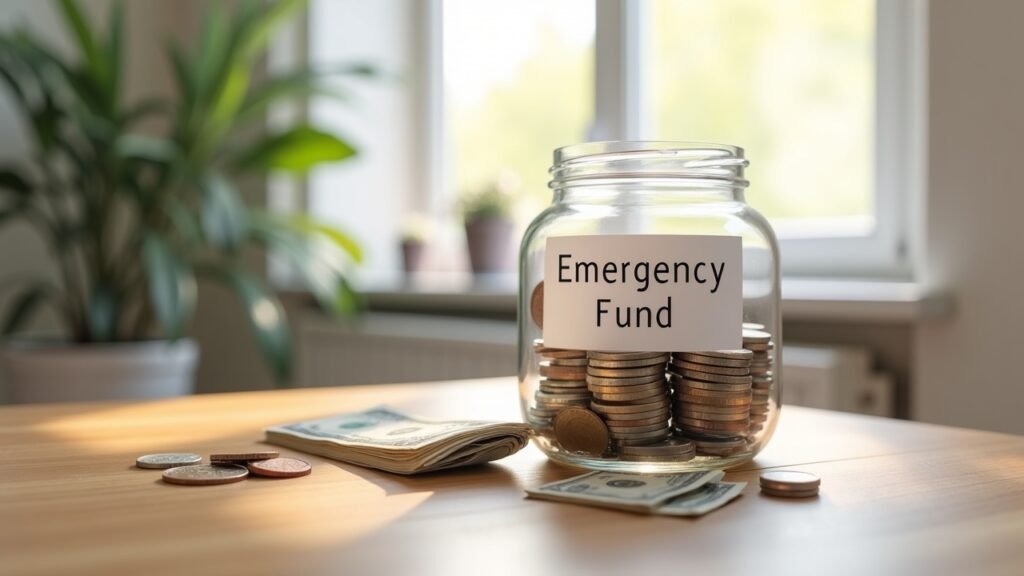
You’ve probably heard the classic advice: save three to six months of living expenses. It’s repeated everywhere, from financial websites to your aunt at Thanksgiving dinner. But honestly? That number felt impossibly huge when I was starting out.
The thing is, this rule was created as a general guideline. Your situation might be completely different from mine or your neighbor’s. A freelancer needs way more cushion than someone with a stable government job, ya know?
Factors That Determine Your Magic Number
Let me break down what actually affects how much you should stash away. I learned this stuff through trial and error, so hopefully you won’t have to.
Job stability – If you’re in a volatile industry, aim for the higher end
Number of income sources – Single income households need bigger cushions
Monthly expenses – Calculate your actual spending, not what you think you spend
Dependents – Kids and elderly parents mean more potential emergencies
Health conditions – Chronic issues can drain savings fast
Starting From Zero: My Personal Journey
When I first tried building my emergency savings, I made a classic mistake. I tried to save $10,000 immediately while still paying off credit card debt. Spoiler alert: it didn’t work out.
What actually helped was starting with a mini emergency fund of $1,000. This smaller goal felt achievable and kept me motivated. Once I hit that milestone, the momentum carried me forward to bigger savings goals.
Check out this helpful video that explains the concept really well:
Dave Ramsey’s Baby Steps Explained
Calculating Your Ideal Emergency Fund Amount
Okay, let’s get practical here. Grab a calculator and follow along with me.
First, list your essential monthly expenses. I’m talking rent or mortgage, utilities, groceries, insurance, minimum debt payments, and transportation. Don’t include Netflix or dining out – we’re surviving here, not thriving.
For most folks, that number lands somewhere between $2,000 and $4,000 monthly. Multiply that by three for a minimum goal, or six for maximum security. So if your essentials cost $3,000 monthly, you’re looking at $9,000 to $18,000 as your target range.
When to Aim Higher
Some situations call for even more savings. If you’re self-employed like my brother-in-law, having nine to twelve months saved is actually recommended. He learned this lesson when his consulting business hit a dry spell for four months straight. Not fun.
Where to Keep Your Emergency Fund

This part got me good initially. I kept my emergency money in my regular checking account. Big mistake! It was way too easy to “borrow” from it for non-emergencies.
A high-yield savings account is where it’s at. You want your money accessible but not too accessible, if that makes sense. According to Bankrate, some accounts are offering over 4% APY right now, which helps your fund grow while it sits there.
Your Financial Safety Net Awaits
Building an emergency fund isn’t about hitting some arbitrary number that experts throw around. It’s about understanding your unique situation and creating a cushion that lets you sleep at night. Start where you are, even if it’s just $50 a paycheck.
Remember, the “right” amount is whatever gives you financial breathing room without making you feel deprived today. Adjust the traditional advice to fit your life, not the other way around. And please, don’t wait for a crisis to motivate you like I did!
Want more practical money tips that actually make sense? Browse around Dollar Docket for more articles that’ll help you navigate your financial journey without all the confusing jargon.