Did you know that roughly 34% of Americans have never checked their credit score? I was one of them until about five years ago, and boy, was that a mistake! When I finally decided to look at mine before applying for a car loan, I nearly fell off my chair. Let me tell you, ignorance definitely wasn’t bliss in this situation.
Understanding your credit score is absolutely crucial in today’s financial world. It affects everything from getting approved for credit cards to securing a mortgage, and sometimes even landing a job. The good news? You can check it for free, and I’m gonna walk you through exactly how to do that.
Why Checking Your Credit Score Matters
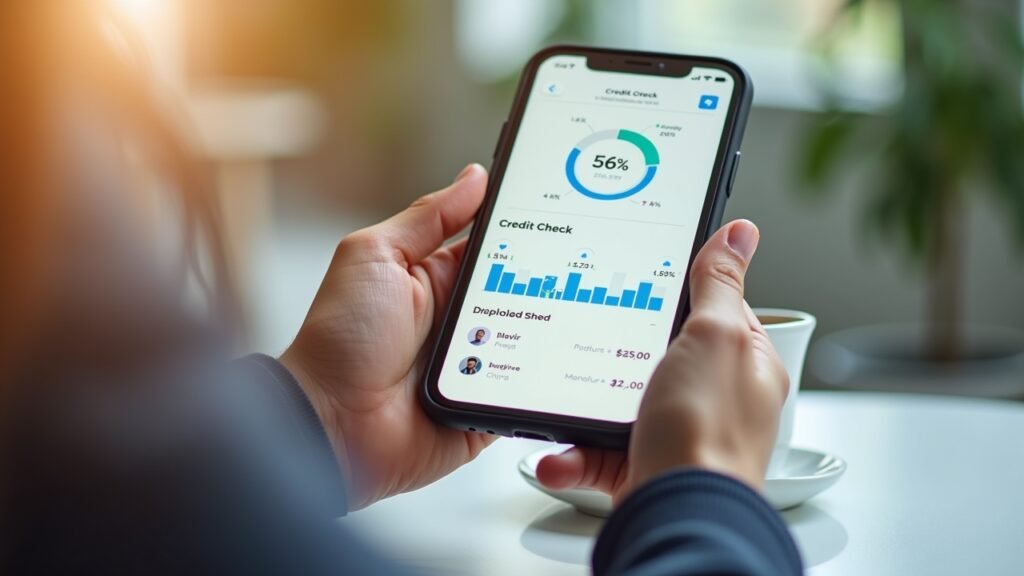
So here’s the thing about credit scores that nobody really told me when I was younger. Your credit score is basically your financial reputation wrapped up in a three-digit number. Lenders use it to decide whether you’re trustworthy enough to borrow money from them.
I learned this the hard way when I got rejected for an apartment lease back in 2019. Turns out, there was an error on my credit report that tanked my score. If I had been doing regular credit monitoring, I would’ve caught it way sooner. The whole experience was pretty frustrating, honestly.
Your FICO score or VantageScore typically ranges from 300 to 850. Generally speaking, anything above 700 is considered good, while 800 and up is excellent. Knowing where you stand helps you make smarter financial decisions.
Where to Get Your Free Credit Score
Alright, let’s get to the good stuff. There’s actually several legit ways to check your credit score without paying a dime. First up, AnnualCreditReport.com is the only federally authorized source for free credit reports from all three major bureaus.
You can also use services like Credit Karma or Credit Sesame for free credit score access. These platforms pull your information from TransUnion and Equifax. I personally use Credit Karma and it’s been pretty reliable for keeping tabs on things.
Many banks and credit card companies now offer free credit score tracking too. Check with your financial institution because you might already have access through your online banking portal. Discover, Capital One, and Chase all offer this feature to their customers.
Understanding the Three Credit Bureaus
There’s three main credit bureaus you should know about: Equifax, Experian, and TransUnion. Each one might have slightly different information about you, which is why your scores can vary between them. It’s kinda annoying, but that’s just how the system works.
I recommend checking your reports from all three bureaus at least once a year. You’re entitled to one free report from each bureau every 12 months. Stagger them throughout the year so you can monitor your credit more frequently.
What to Look for When You Check
When you pull up your credit report, don’t just glance at the score and call it a day. Look for errors, unfamiliar accounts, or anything that seems off. Identity theft is real, folks, and it can mess up your credit faster than you’d think.
Pay attention to your payment history, credit utilization, and the age of your accounts. These factors heavily influence your overall score. If something looks wrong, you can dispute it directly with the credit bureau.
Learn More Through Video Resources
Sometimes watching a video explanation helps things click better than reading about it. I found this helpful video from the Consumer Financial Protection Bureau that breaks down credit scores really well. You can find tons of educational content on YouTube by searching “how credit scores work” or “free credit score explained.”
Taking Control of Your Financial Future
Look, checking your credit score regularly isn’t just about being nosy with your own finances. It’s about being proactive and protecting yourself from potential problems down the road. Whether you’re planning to buy a house, get a new car, or just want peace of mind, knowing your credit score puts you in the driver’s seat.
Remember to use only legitimate services when checking your score and never pay for something you can get for free. Be cautious of sites that ask for credit card information upfront. If something seems sketchy, it probably is.
Start by checking your score today using one of the free resources mentioned above. Your future self will thank you for it! And hey, if you found this helpful, swing by Dollar Docket for more practical tips on managing your money and navigating the sometimes confusing world of personal finance.