Advertisements
Meal Prep on a Budget: How I Stopped Wasting Money and Actually Started Saving
Here’s a number that honestly made me choke on my coffee: the average American household spends over $8,000 a year on food. Eight. Thousand. Dollars. When I first saw that stat a couple years ago, I knew something had to change in my own kitchen because I was probably spending even more than that between takeout and groceries that just rotted in my fridge.
That’s when I stumbled into the world of meal prepping on a budget, and honestly, it’s been one of the best financial decisions I’ve ever made. I’m not gonna pretend it was smooth sailing from the start — there were some truly sad lunches in the beginning — but the money I’ve saved has been absolutely worth it. Let me walk you through what actually works.
Why Meal Prep Is a Game-Changer for Your Wallet
So the basic idea is simple: you plan your meals ahead of time, buy groceries with a purpose, and cook in batches. No more wandering the aisles tossing random stuff into your cart. No more $15 lunch runs because you “forgot” to pack something.
When I started tracking my spending, I realized I was blowing close to $200 a month just on eating out during work days. That’s insane when you think about it. Meal prepping cut my weekly grocery bill down to around $50-$60 for one person, and that covers breakfast, lunch, and dinner.
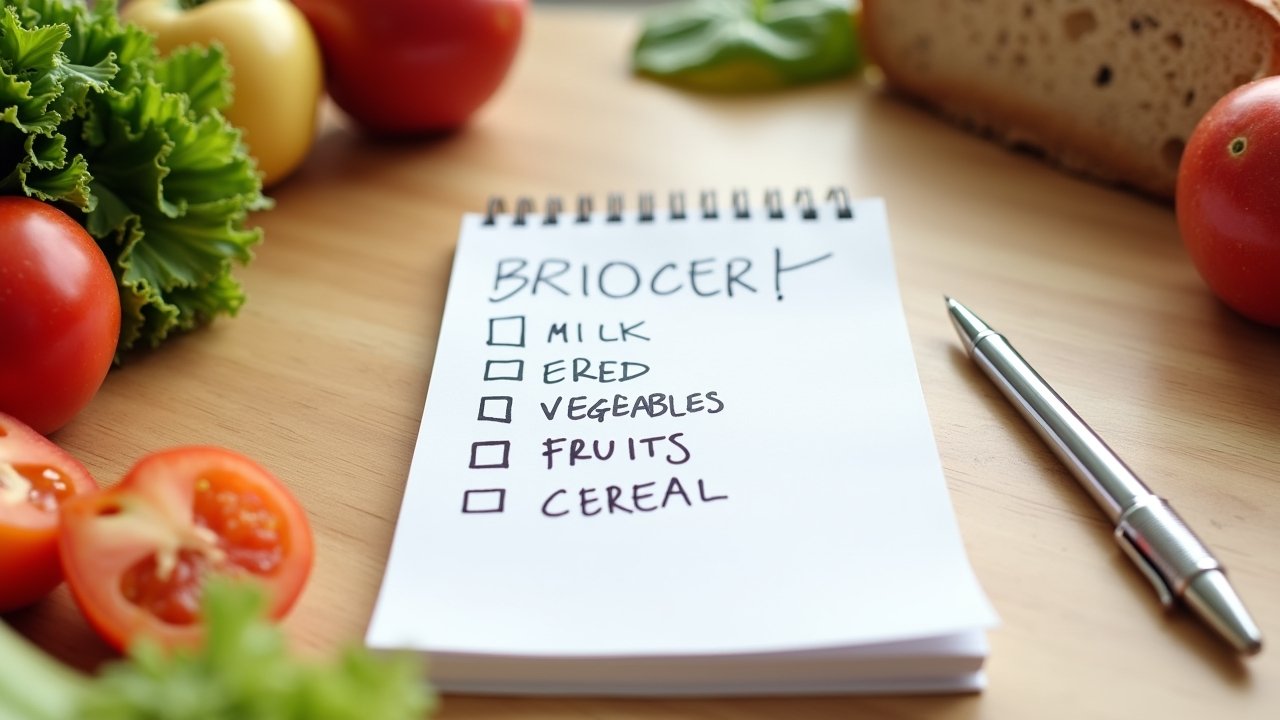
Start With a Cheap Meal Plan (Seriously, Write It Down)
My first mistake was trying to meal prep without an actual plan. I just bought a bunch of chicken breasts and rice and hoped for the best. Spoiler: I was sick of plain chicken by Wednesday.
Now I sit down every Sunday morning with my coffee and plan five dinners for the week. I build lunches from leftovers and keep breakfasts stupid simple — oatmeal, eggs, or overnight oats. Writing it down means I only buy what I need, which cuts down on food waste like crazy.
If you need inspiration, websites like Budget Bytes are absolute gold for affordable meal ideas that don’t taste like cardboard.
The Grocery Shopping Tricks That Actually Save Money
Alright, here’s where it gets real. These are the strategies that’ve saved me the most cash:
- Buy in bulk — rice, beans, oats, and frozen veggies are your best friends. A bag of dried beans costs like a dollar and makes enough food for days.
- Shop seasonal produce — fresh fruits and vegetables are way cheaper when they’re in season. I learned this the hard way after paying $6 for a pint of blueberries in January.
- Use store brands — generic canned tomatoes taste exactly the same as the fancy ones. Trust me on this.
- Check the sales flyer — I plan my meals around what’s on sale that week. It sounds old-school, but it works.
- Stick to a grocery list — impulse buys are budget killers. I literally leave my card in my pocket if something’s not on the list.
Batch Cooking Without Losing Your Mind
Here’s the thing nobody tells you about meal prep — you don’t need to spend your entire Sunday in the kitchen. I usually block out about two hours, and that’s it. I’ll roast a big sheet pan of vegetables, cook a pot of rice or quinoa, and prepare two different proteins.
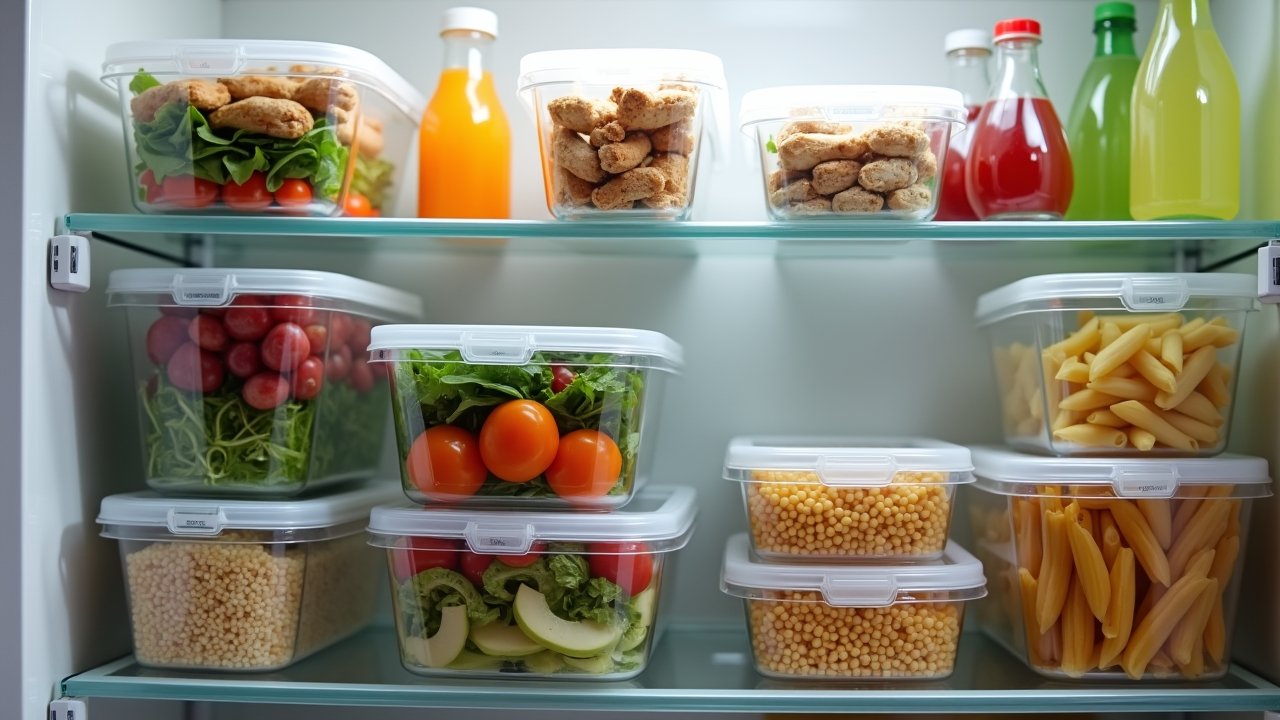
Investing in some decent glass meal prep containers was a turning point for me. The cheap plastic ones stained and warped after a few weeks, which was frustrating. Good containers keep food fresh longer, and that means less waste and more savings.
One trick I love is making versatile bases. A big batch of seasoned ground turkey can become tacos on Monday, a stir-fry on Wednesday, and a pasta sauce on Friday. Same ingredient, totally different meals.
Your Wallet Will Thank You Later
Advertisements
Look, meal prepping on a budget isn’t about eating boring food or depriving yourself. It’s about being intentional with your money and your meals. I’ve saved roughly $300 a month since I started taking this seriously, and the food honestly tastes better than most of the takeout I was ordering.
Start small — even prepping just your lunches for the work week makes a noticeable difference. Tweak things as you go and find what fits your lifestyle. And if you’re looking for more practical ways to stretch your dollars further, head over to Dollar Docket for more tips on saving money without sacrificing the things you love!