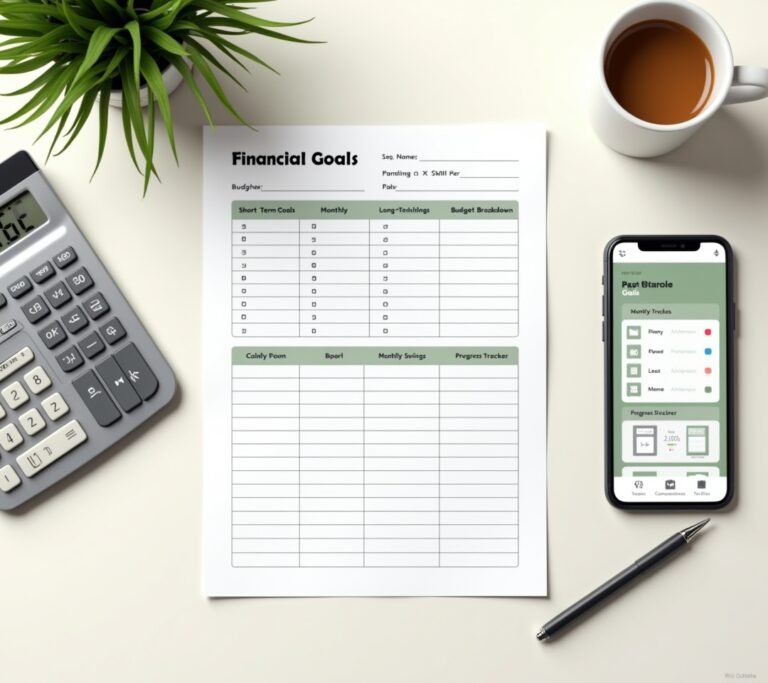
Here’s a stat that blew my mind last year: nearly 60% of Americans can’t cover a $1,000 emergency expense. I was one of them! After years of winging it with my money, I finally discovered that a simple monthly budget worksheet could change everything. And the best part? You don’t need to spend a dime to get started.
My Embarrassing Wake-Up Call

So there I was, standing at the grocery checkout with my card declined. My face turned beet red, and I mumbled something about “bank issues” while frantically checking my phone. Turns out I’d completely forgotten about three subscriptions that hit my account the same week. That moment was my rock bottom with money management.
I knew I needed a budget tracking system, but fancy apps felt overwhelming. Spreadsheets seemed boring. Then my sister-in-law mentioned she’d been using a printable budget template she found online for free. Game changer, honestly.
What Makes a Good Free Budget Worksheet
Not all budget planners are created equal, trust me. I downloaded probably fifteen different ones before finding formats that actually worked for my brain. The best free monthly budget templates include spaces for income tracking, fixed expenses, variable spending, and savings goals.
You want something that’s simple enough to actually use every week. If it takes longer than ten minutes to fill out, you ain’t gonna stick with it. Sites like Vertex42 offer some really solid options that won’t cost you anything.
The Essential Categories You Need
- Housing costs including rent or mortgage
- Utilities and phone bills
- Groceries and dining out (keep these separate!)
- Transportation expenses
- Entertainment and subscriptions
- Debt payments
- Emergency fund contributions
I made the mistake of lumping food expenses together at first. Big error! Once I separated my grocery budget from restaurant spending, I realized I was blowing $400 a month on takeout. Yikes.
How I Actually Use My Budget Worksheet
Every Sunday morning, I grab my coffee and spend about fifteen minutes with my expense tracker. It’s become weirdly therapeutic, like a little financial check-in with myself. I write down what I spent during the week and compare it to my planned amounts.
The key is being honest with yourself. Nobody’s judging your spending on those late-night Amazon purchases except you. I used to fudge my numbers to feel better, but that defeats the whole purpose of a personal finance worksheet.
For visual learners, this YouTube video really helped me understand the basics of budget worksheet organization:
Check out this helpful budgeting tutorial that walks through setting up your first monthly spending plan step by step.
Where to Find the Best Free Templates
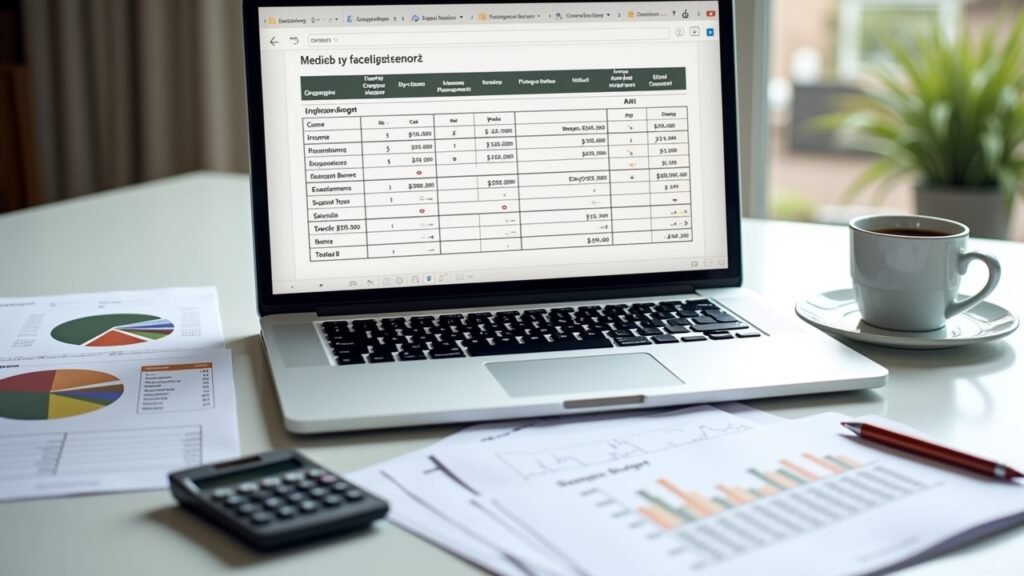
The Consumer Financial Protection Bureau actually offers a pretty decent household budget worksheet. It’s government-made, so it’s straightforward without any fancy bells and whistles. Sometimes simple works best.
Google Sheets has built-in budget templates too. Just open a new spreadsheet and click on “Template Gallery” to find their monthly budget option. It automatically does the math for you, which was huge for someone like me who struggles with numbers.
Printable vs. Digital Options
Some folks swear by printable budget worksheets they can physically write on. There’s something satisfying about crossing things off with a pen. Others prefer digital versions that calculate totals automatically. Personally, I use both depending on my mood.
The zero-based budgeting method worked best for me, where every dollar gets assigned a job. Your income minus your expenses should equal zero. It sounds strict, but it actually gives you more freedom because you know exactly where everything’s going.
Your Next Step Toward Financial Freedom
Look, getting your money situation under control doesn’t require expensive software or financial advisors. A simple free budget worksheet can be the first step toward actually understanding where your cash disappears to each month. Start with one template, give it a solid month, and adjust as needed.
Remember that budgeting is deeply personal. What works for your coworker might not work for you, and that’s totally fine. The important thing is finding a system you’ll actually stick with. If you found this helpful, make sure to explore more practical tips over at Dollar Docket where we break down everyday life hacks without the fluff!