Personal Loan vs Credit Card: Which One Saved My Wallet (And Which One Almost Wrecked It)

Advertisements
Here’s a stat that honestly blew my mind — the average American carries about $6,501 in credit card debt. I know because I was one of them. A few years back, I found myself staring at two options to handle a chunk of unexpected expenses, and I had absolutely no clue whether a personal loan or a credit card was the smarter move. Spoiler alert: I picked wrong the first time.
If you’ve ever been stuck in that same spot, this one’s for you. Understanding the difference between a personal loan and a credit card can literally save you thousands of dollars in interest. So let me break it down the way I wish someone had broken it down for me.
What’s the Actual Difference?
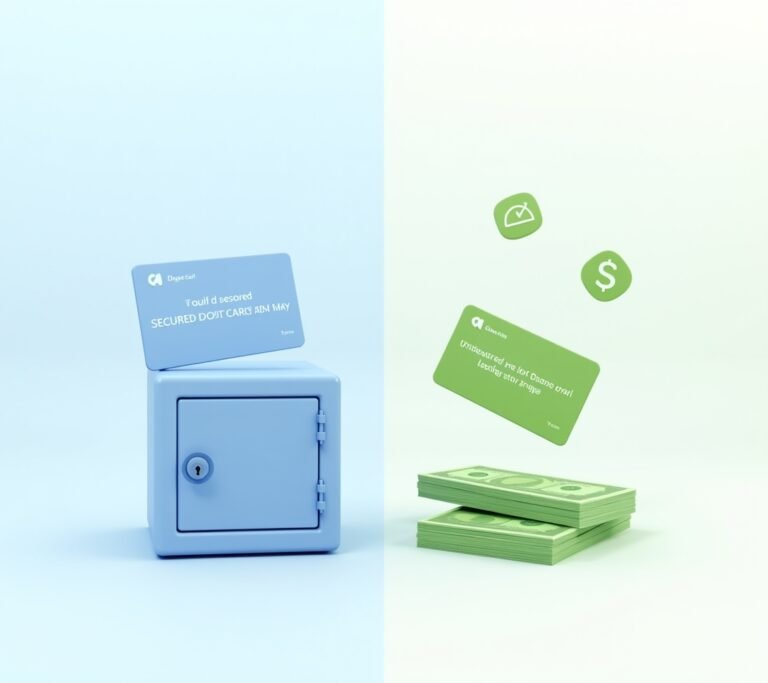
Okay, so at the most basic level, a personal loan gives you a lump sum of money that you pay back in fixed monthly installments over a set period. Think of it like borrowing a bucket of water — you get it all at once, and you return it bit by bit. The interest rate is usually fixed, which means your payment stays the same every single month.
A credit card, on the other hand, is revolving credit. You’ve got a credit limit, and you can borrow up to that amount whenever you want, pay it down, and borrow again. It’s flexible, sure. But that flexibility is exactly what got me into trouble back in 2019 when I kept swiping for “small” purchases that added up to a not-so-small balance.
Interest Rates: Where Things Get Real
This is the big one, folks. Personal loan interest rates typically range from about 6% to 36%, depending on your credit score and lender. Credit card APRs? They average around 20% or higher right now. That gap matters more than you’d think.
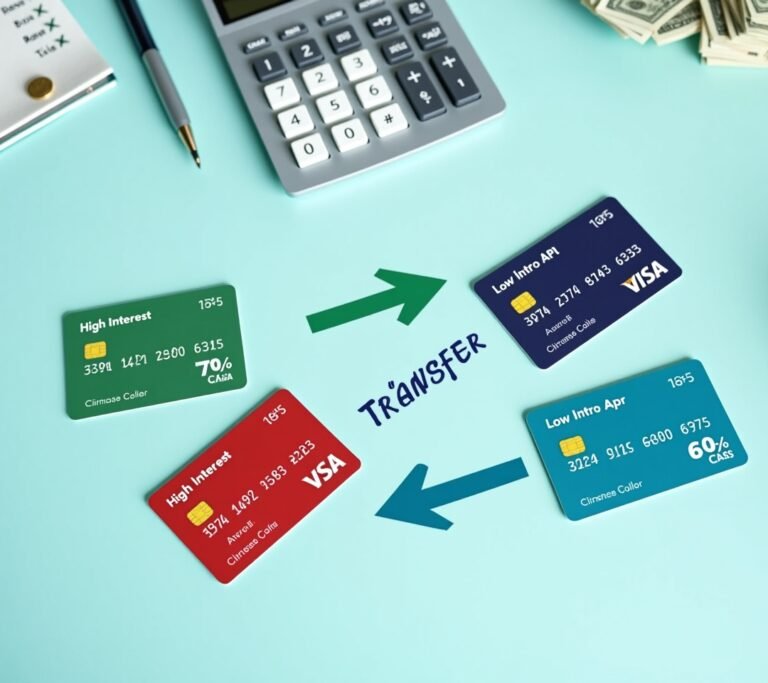
When I consolidated about $8,000 in credit card debt into a personal loan at 9.5% APR, my monthly payment dropped and I had a clear payoff date. Before that, I was paying minimums on my cards and basically just feeding the interest beast. It felt like running on a treadmill — lots of effort, going nowhere.
When a Personal Loan Makes More Sense
From my experience, a personal loan is your best friend when you’re dealing with a large, one-time expense. Home repairs, medical bills, debt consolidation — that kind of thing. The fixed repayment schedule keeps you accountable, and honestly, there’s something psychologically satisfying about watching that balance go down every month.
I used one for a kitchen renovation a couple years ago. Having that structured payment plan meant I wasn’t tempted to just pay the minimum and let interest pile up. Plus, my credit utilization ratio stayed low because the loan doesn’t count against your revolving credit the same way a card balance does.
When a Credit Card Is the Better Play
Now don’t get me wrong — credit cards aren’t evil. They’re actually awesome for everyday purchases, building credit history, and earning rewards. If you can pay your balance in full each month, a credit card with cashback or travel points is basically free money.
I use my credit card for groceries, gas, and subscriptions. That’s it. The key is discipline. If you’re carrying a balance month to month, those reward points aren’t worth the interest you’re paying. Trust me, I learned that the hard way when my “2% cashback” card was costing me 22% in interest. The math wasn’t mathing.
The Mistakes I Made So You Don’t Have To
- Using a credit card for a large expense I couldn’t pay off quickly — ended up paying nearly double.
- Not comparing personal loan offers from multiple lenders before committing.
- Ignoring the origination fees on personal loans, which can be 1-8% of the loan amount.
- Closing old credit cards after getting a personal loan, which actually hurt my credit score.
So, What Should You Actually Do?
Look, there’s no one-size-fits-all answer here, and anyone who tells you otherwise is selling something. Your decision should depend on the amount you need, how quickly you can pay it back, and your current financial situation. Take the time to compare APRs, read the fine print, and be honest with yourself about your spending habits.
If this helped you see things a little clearer, I’d love for you to explore more practical money tips over at Dollar Docket. We’re all about making personal finance feel less like a college lecture and more like a conversation. Go poke around — your future self will thank you!