Did you know that nearly 60% of Americans can’t cover a $1,000 emergency expense? That statistic honestly shocked me when I first heard it. I remember being in that exact situation back in my twenties, scrambling to pay for a car repair with money I didn’t have.
Opening my first savings account changed everything for me. It wasn’t glamorous, and I made plenty of mistakes along the way. But here’s the thing – getting started is way easier than you think!
Why Beginners Need a Savings Account
Look, I get it. When you’re just starting out, putting money aside feels almost impossible. Between rent, groceries, and that Netflix subscription you swear you’ll cancel, where’s the extra cash supposed to come from?
But having a dedicated savings account separates your spending money from your emergency fund. It’s like putting cookies on a high shelf – you can still reach them, but you gotta think about it first. This simple trick helped me stop dipping into my savings for random stuff like late-night pizza orders.
What Makes a Good Beginner Savings Account
When I opened my first account, I walked into a bank completely clueless. The banker threw terms at me like APY and minimum balance requirements. My eyes glazed over, honestly.
Here’s what actually matters for beginners:
- No minimum balance requirements – you shouldn’t be penalized for starting small
- No monthly maintenance fees – why pay a bank to hold your money?
- A decent interest rate (APY) – even 4-5% makes a difference over time
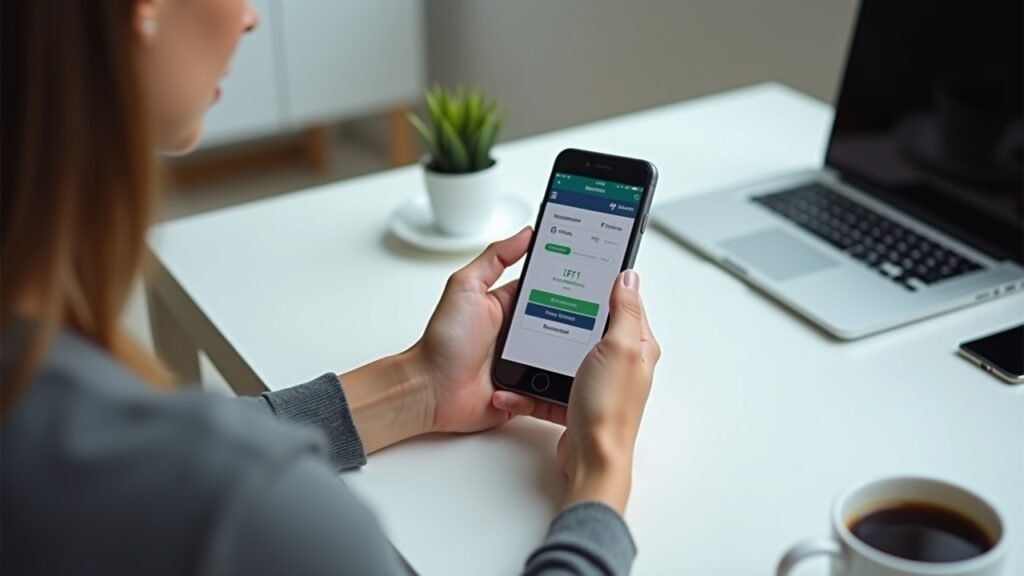
- Easy access through a mobile app – because we live on our phones
- FDIC insurance – this protects your money up to $250,000
Top Picks for First-Time Savers
After years of trial and error (and one account that charged me fees I didn’t even know existed), I’ve learned what works. High-yield savings accounts from online banks typically offer the best rates.
Places like Marcus by Goldman Sachs or Ally Bank consistently offer competitive rates without those annoying fees. They’re been around forever and have solid reputations. Traditional brick-and-mortar banks usually can’t compete with their interest rates because they got all those physical locations to maintain.
Some folks prefer keeping everything at one institution though. That’s totally valid! Just make sure you’re not sacrificing too much in interest or paying unnecessary fees for the convenience.
A Quick Word on Online vs Traditional Banks
I was super skeptical about online banks at first. Where’s the building? Who do I talk to if something goes wrong? But honestly, their customer service has been fantastic in my experience. Plus, my money grows faster with their higher interest rates.
That said, if you’re someone who needs to deposit cash regularly, a traditional bank might work better. Online banks usually don’t have ATMs for deposits, which can be a real pain.
Common Mistakes I Made (So You Don’t Have To)
Oh boy, where do I start? My biggest mistake was treating my savings account like a second checking account. Every time something came up, I’d transfer money out. The account never grew because I couldn’t leave it alone!
Another mistake was not setting up automatic transfers. I told myself I’d manually move money each paycheck. Spoiler alert: I didn’t. Setting up automatic deposits, even just $25 per paycheck, was a game-changer. The money disappeared before I could spend it on stuff I didn’t need.
For visual learners, this YouTube video does a great job explaining savings account basics:
Check out this helpful guide on savings accounts for a deeper dive into how compound interest works.
Getting Started Today
Here’s my challenge for you: open an account this week. Not next month, not when you “have more money.” Right now. Most online applications take less than 10 minutes, and you can start with literally any amount.
Start where you are, with what you have. Even $10 is a beginning. Your future self will thank you for taking this first step toward financial security. Trust me, I wish someone had pushed me to start earlier.
Remember, the best savings account is the one you’ll actually use consistently. Want more tips on managing your money and building better financial habits? Head over to Dollar Docket for more practical guides written for real people like us!