Secured vs Unsecured Credit Card: Which One’s Actually Right for You?
Advertisements
Here’s a stat that honestly blew my mind — nearly 40% of Americans have a credit score below 670. That’s a huge chunk of people who might struggle to get approved for a traditional credit card. I was one of them about eight years ago, standing in my kitchen staring at yet another rejection letter, wondering what the heck I was supposed to do next.
That’s when I first learned about the difference between secured and unsecured credit cards. And honestly? Understanding this one thing changed my entire financial trajectory. So let me break it down for you the way I wish someone had done for me.
What Is a Secured Credit Card, Anyway?
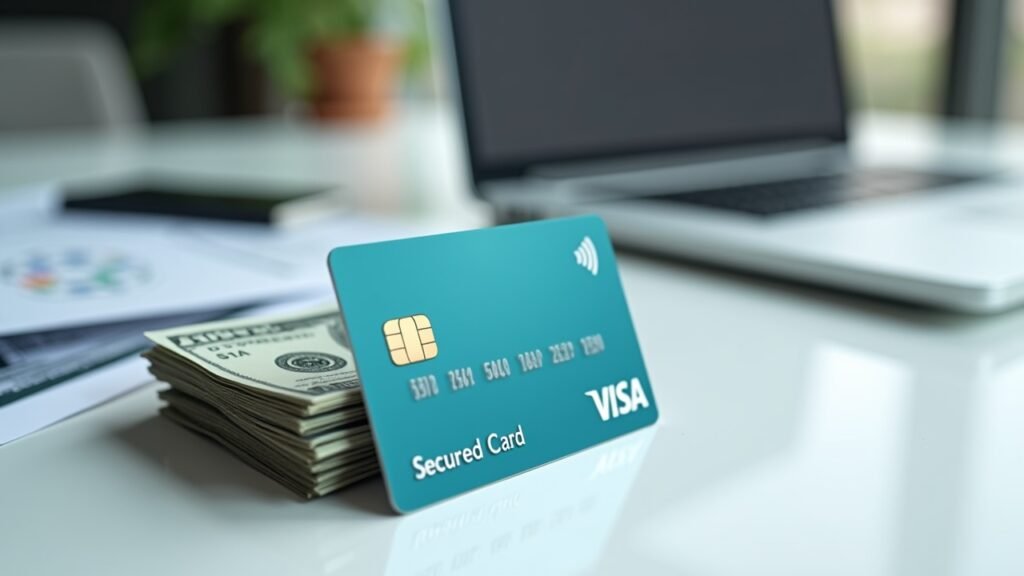
A secured credit card requires a cash deposit upfront that acts as your credit limit. So if you put down $300, your credit limit is $300. It’s basically the bank’s safety net — if you don’t pay your bill, they keep your deposit.
I remember feeling kinda embarrassed when I applied for my first secured card through Discover. It felt like admitting I couldn’t be trusted with money. But looking back, it was one of the smartest moves I ever made.
The beautiful thing is that secured cards report to all three credit bureaus just like regular cards. That means every on-time payment you make is quietly building your credit score in the background. Pretty cool, right?
So What Makes an Unsecured Credit Card Different?
An unsecured credit card is what most people think of when they hear “credit card.” No deposit required. The bank extends you a line of credit based purely on your creditworthiness — your score, income, and payment history.
These cards typically come with better perks like cash back rewards, travel points, and lower interest rates. But here’s the catch — you generally need fair to good credit to qualify, which means a score of at least 670 or so.
I didn’t get approved for my first unsecured card until about 14 months after I started using my secured one. The wait was frustrating, not gonna lie. But when that approval email came through, I literally did a little victory dance in my living room.
The Key Differences You Need to Know
Let me lay out the main differences because this is where people get confused:
- Security deposit: Secured cards require one, unsecured cards don’t.
- Credit requirements: Secured cards are designed for bad credit or no credit history. Unsecured cards need a decent score.
- Credit limits: Secured card limits are tied to your deposit. Unsecured cards can offer much higher limits based on your profile.
- Rewards and perks: Unsecured cards usually offer way better rewards programs. Most secured cards have minimal or zero perks.
- Annual fees: Both types can have annual fees, but some secured cards have been known to charge higher ones relative to their benefits.
One mistake I made early on was thinking secured cards were somehow “lesser.” They’re not. They’re a tool, and a really effective one at that.
Which One Should You Pick?
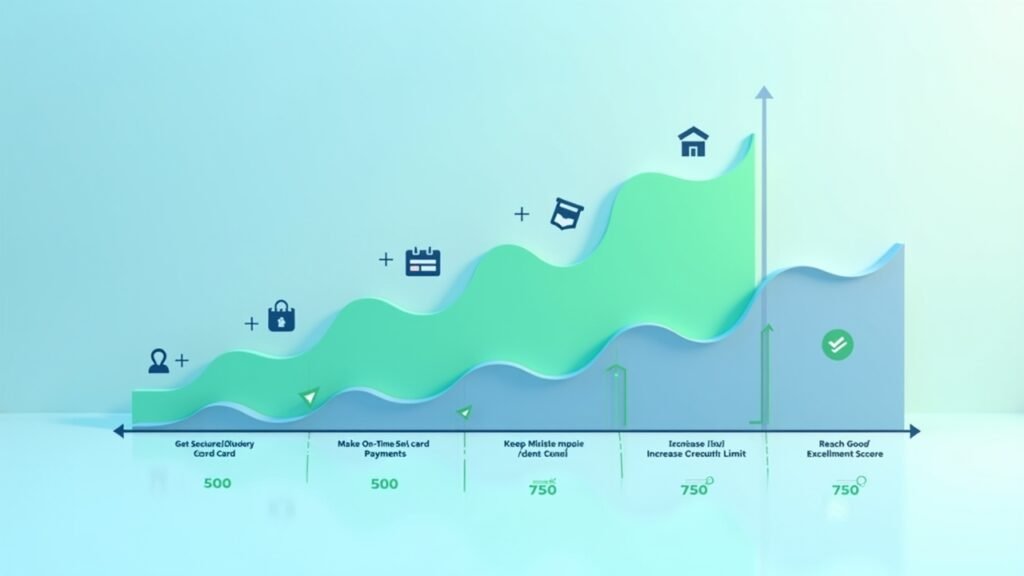
If your credit score is below 640 or you have no credit history at all, a secured card is probably your best bet. It’s not a punishment — it’s a stepping stone. I used mine for small purchases like gas and groceries, paid the balance in full every month, and watched my score climb steadily.
Now, if you already have fair to good credit, go straight for an unsecured card. Sites like NerdWallet have great comparison tools to find one that fits your spending habits. There’s no reason to tie up cash in a deposit if you don’t have to.
Advertisements
Also, here’s a tip most people overlook — many secured card issuers will automatically upgrade you to an unsecured card after 6 to 12 months of responsible use. Ask about this before you apply so you know what the path forward looks like.
Your Next Move Matters More Than You Think
Whether you go secured or unsecured, what really matters is how you use the card. Pay on time, keep your credit utilization below 30%, and don’t spend money you don’t actually have. I learned that last one the hard way — twice.
Your credit journey is personal, so tailor these tips to your own situation. And if you’re hungry for more practical money advice, head over to Dollar Docket where we break down personal finance topics without all the boring jargon. You’ve got this!