
Advertisements
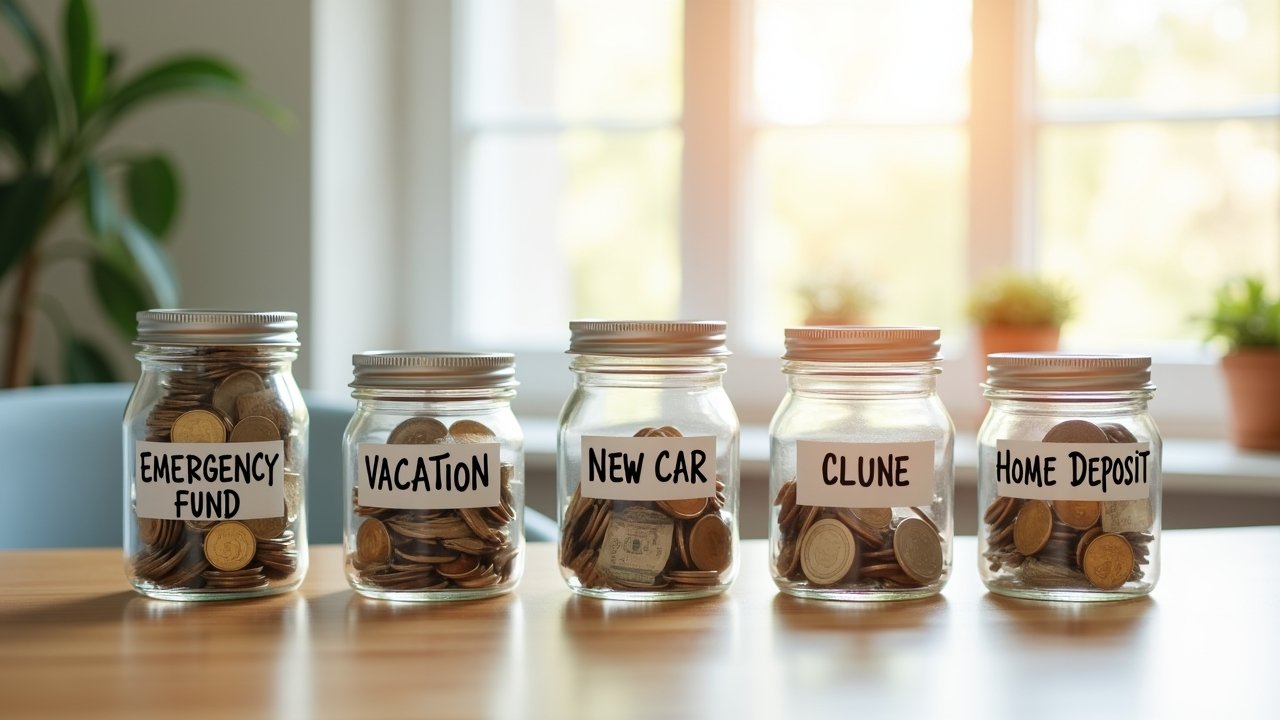
Multiple Savings Accounts Benefits: Why I Stopped Putting All My Money in One Place
Here’s a stat that honestly blew my mind — according to a Bankrate survey, nearly 1 in 4 Americans have no emergency savings at all. And for years, I was barely doing better. I had one lonely savings account where every dollar got dumped together like socks in a drawer. Vacation money, emergency fund, car repair cash — all mixed into one confusing pile.
Then a coworker casually mentioned she had five separate savings accounts, and I thought she was nuts. Turns out, she was way smarter than me. Opening multiple savings accounts completely changed how I manage money, and I genuinely wish I’d done it sooner!
What Does It Actually Mean to Have Multiple Savings Accounts?
It’s pretty much exactly what it sounds like. Instead of one savings account holding all your money, you open several accounts — each one dedicated to a specific financial goal. Think of it like using envelopes for budgeting, but digital and way harder to accidentally spend.
Most banks and credit unions let you open multiple accounts with no extra fees. Online banks like Ally or Marcus by Goldman Sachs even let you nickname each account, which is honestly a game-changer for staying organized.
The Real Benefits I’ve Experienced Firsthand
You Can Actually Track Your Progress
This was the biggest win for me. When everything sat in one account, I had no clue how close I was to any goal. Was I saving enough for that trip to Portland? Who knows — the number just looked like a blob.
Once I separated things out, I could see exactly where I stood. My emergency fund had its own account, my vacation fund had another, and suddenly saving felt like a game I was actually winning.
It Protects Your Emergency Fund
Okay, I’ll be honest — I used to “borrow” from my emergency savings all the time. New tires? Emergency fund. Concert tickets? Well, it felt like an emotional emergency. Having a dedicated emergency savings account that I mentally labeled as untouchable was been the only thing that stopped me from raiding it.
Financial experts at the Consumer Financial Protection Bureau recommend keeping three to six months of expenses saved up. That’s a lot easier to do when the money isn’t getting mixed up with your Christmas shopping fund.
Sinking Funds Become Super Easy
If you’ve never heard of sinking funds, they’re basically accounts where you save a little bit each month for expected expenses. Car insurance due in six months? Divide the total by six and save that amount monthly in its own account. No more panic when the bill arrives.
I’ve got sinking funds for car maintenance, annual subscriptions, and even birthday gifts. It sounds like overkill, but trust me — it takes so much stress off the table.
You Might Earn More Interest
Here’s a sneaky little benefit most people overlook. By shopping around for high-yield savings accounts at different banks, you can sometimes score better APYs for different accounts. Not every bank offers the same rates, and spreading your money around lets you take advantage of the best deals available.
Advertisements
Plus, if you’re keeping large amounts, FDIC insurance covers up to $250,000 per depositor per bank. Multiple accounts at different institutions means more of your money is protected.
A Few Things to Watch Out For
It ain’t all sunshine, though. Too many accounts can get overwhelming if you’re not careful. I’d recommend starting with three or four max and building from there. Also, watch out for minimum balance requirements — some banks charge fees if you dip below a certain amount.
Set up automatic transfers so you’re not manually moving money every payday. Automation was the thing that made this whole system actually stick for me instead of falling apart after two months like every other budgeting attempt I’d tried.
Your Money Deserves a Better System
Look, managing multiple savings accounts isn’t complicated — it just takes a little setup upfront. The benefits of separating your savings goals are real, and once you see those individual balances growing, it’s honestly kind of addicting. Customize the approach to fit your life, start small, and don’t overthink it.
If you found this helpful, we’ve got tons more practical money tips over at Dollar Docket. Go poke around — your future self will thank you!